




















.png?width=1338&height=1615&name=Overview_Images_en%20(1).png)
Point 1 Automate the Entire Vulnerability Lifecycle
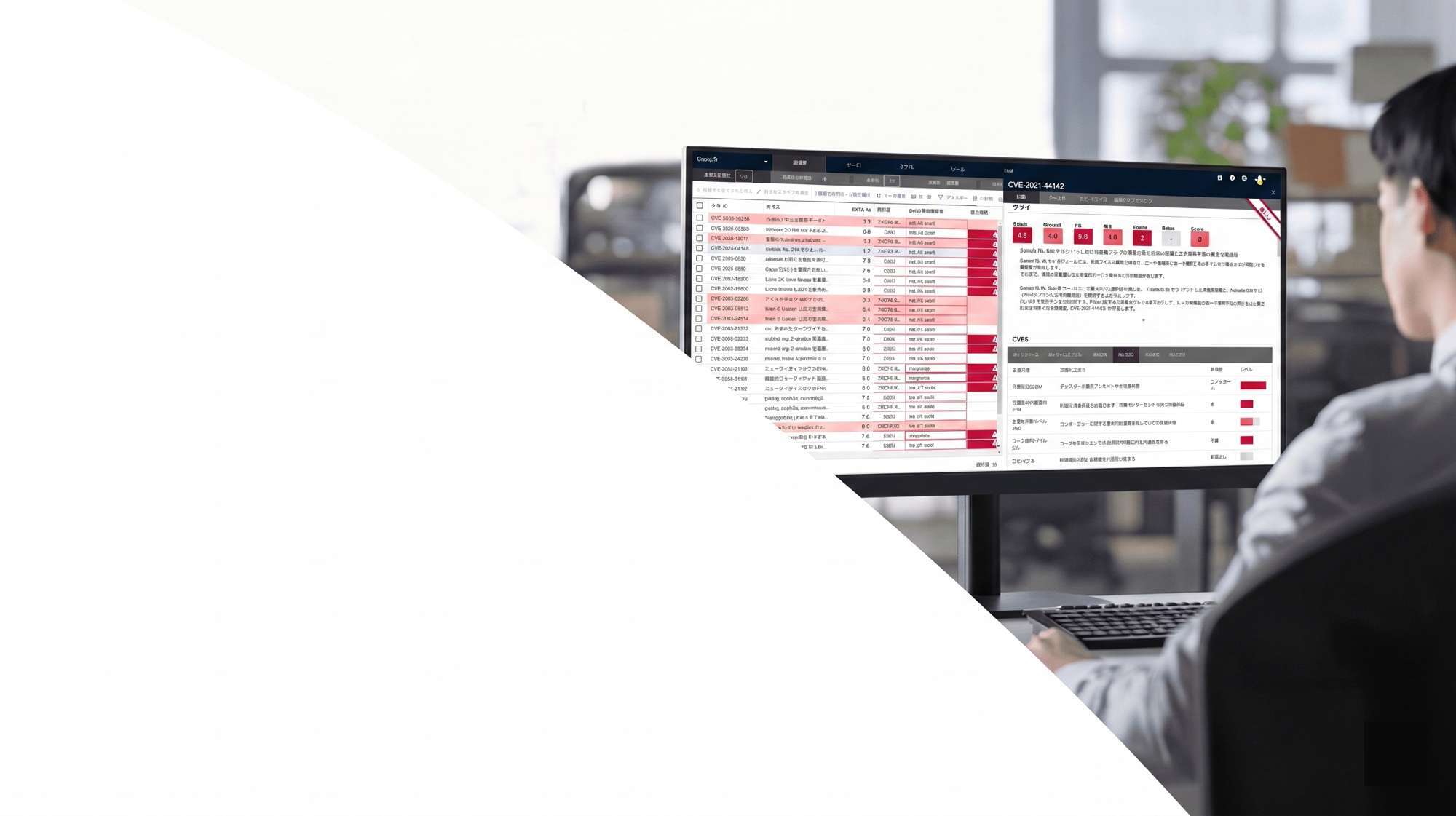
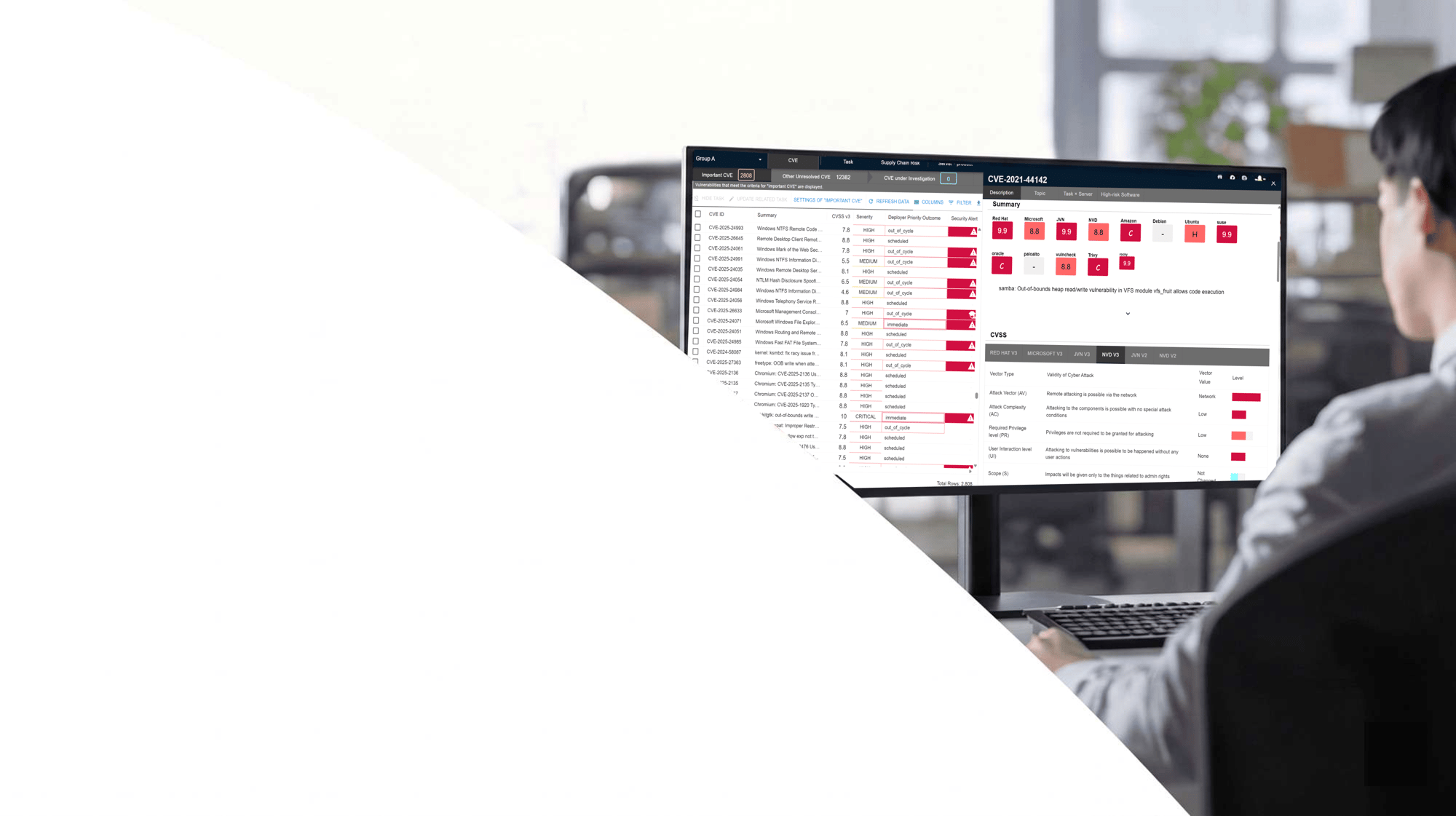
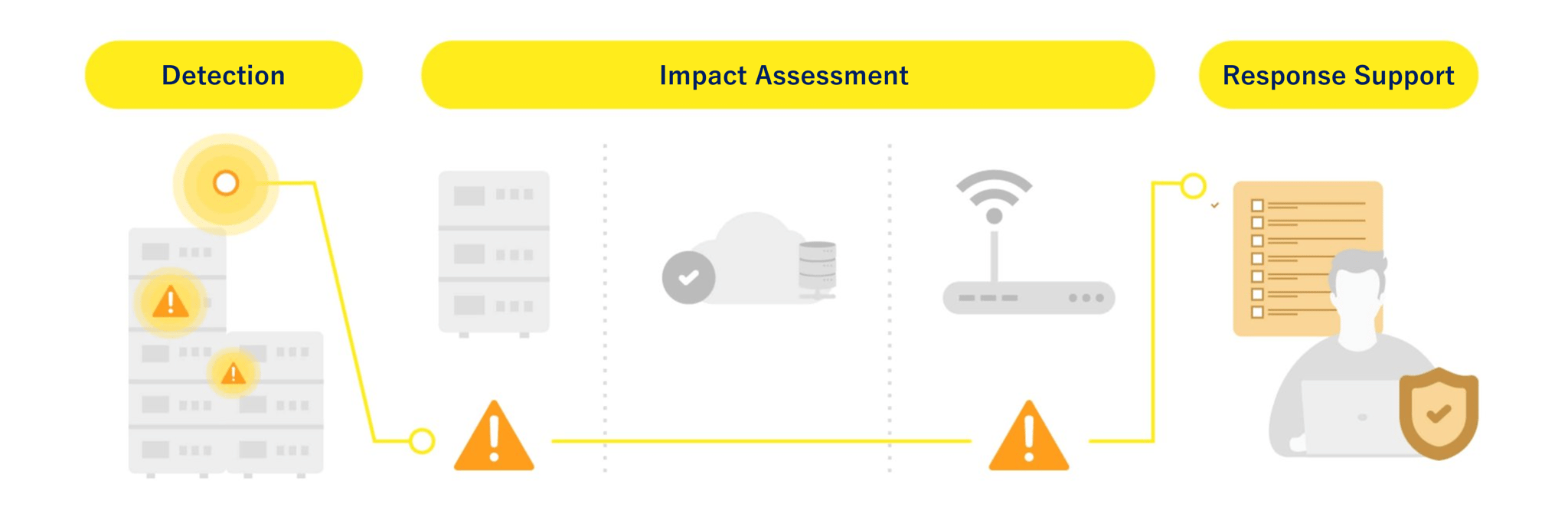
FutureVuls automates the entire lifecycle—from identifying vulnerabilities to delivering precise remediation guidance. This streamlines your security operations and removes the complexity of manual work. By automatically routing critical context to the right stakeholders, your team can execute a rapid, comprehensive response, leaving no threat unaddressed.
.png?height=2000&name=overview-images02_en%20(1).png)
Point 2 Risk-Based Prioritization for Practical Operations
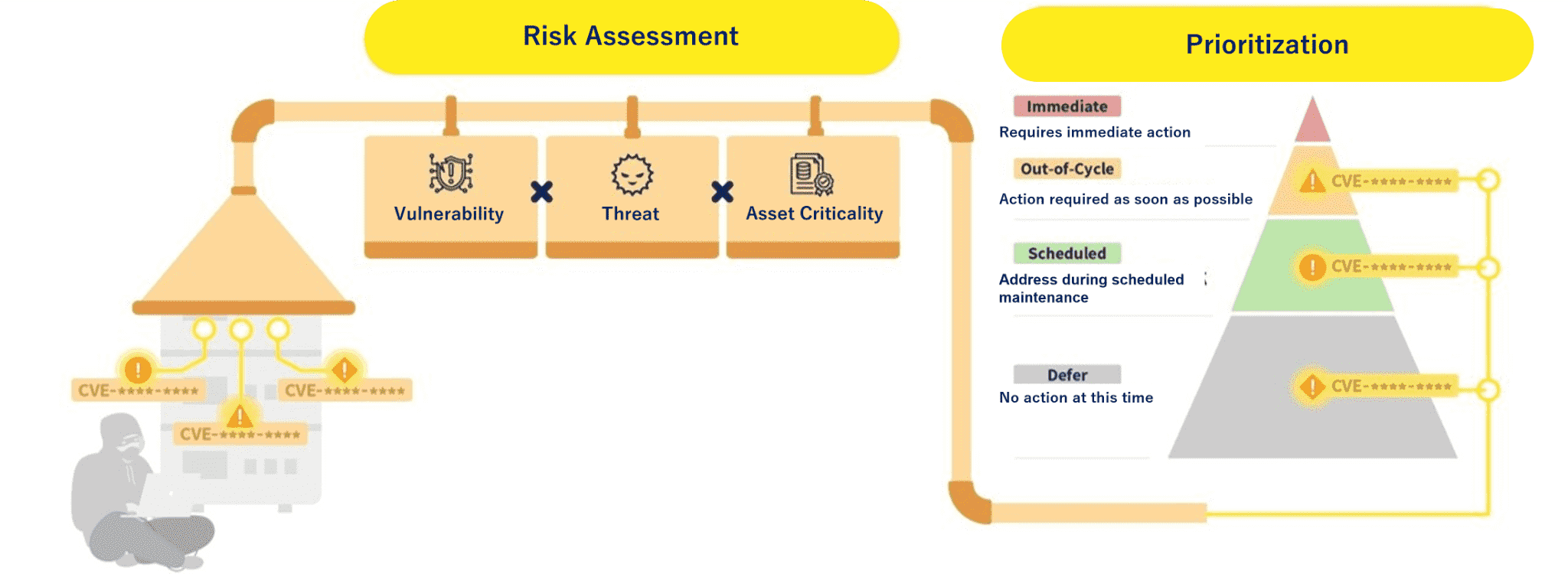
FutureVuls leverages the SSVC (Stakeholder-Specific Vulnerability Categorization) framework to assess risk based on Vulnerability, Threat, and Asset Criticality. The platform automates advanced risk assessments, enabling your team to establish a practical workflow that focuses only on the vulnerabilities that truly matter to your business.
.png?height=2000&name=overview-images03_en%20(1).png)
Point 3 Unified Vulnerability Management at Scale
Manage hundreds or thousands of systems across your organization on a single, unified platform.
You can seamlessly manage the entire workflow across the organization.
Easily monitor response progress, share critical alerts, and track remediation status across all your teams.
Detection
We detect vulnerabilities hidden within your company’s products by cross-referencing your asset data with public vulnerability databases. By comprehensively covering vulnerability information from NVD, JVN, OS vendors, and language communities, we ensure no vulnerability goes unnoticed.
.png?width=2048&height=628&name=feature_1%20(1).png)
Triage
After detection, the system performs a risk assessment based on the following metrics: “Vulnerability” × “Threat” × “Asset Criticality” × “Environment.” Following the risk assessment, the system classifies vulnerabilities into four groups based on the SSVC framework to determine response priority and necessity, enabling efficient mitigation of high-risk vulnerabilities.
Notification
The system integrates with communication tools such as email, Slack, and Microsoft Teams to notify users of vulnerabilities that have undergone risk assessment. High-priority issues are notified immediately, while low-priority issues are not notified immediately, thereby reducing noise in notifications.
Remediation
This solution visualizes the scope of vulnerability impacts and aggregates information on patches and mitigation measures to support rapid response.
Not only does it help you understand the impact on servers and open-source software (OSS), but it also allows you to apply patches directly from the management console by displaying step-by-step guides and integrating with tools such as Ansible.
Even in environments where updates are difficult to implement, you can maintain flexible protection using virtual patches via IPS. This enables rapid and precise response even after a vulnerability has been detected.
Task Management
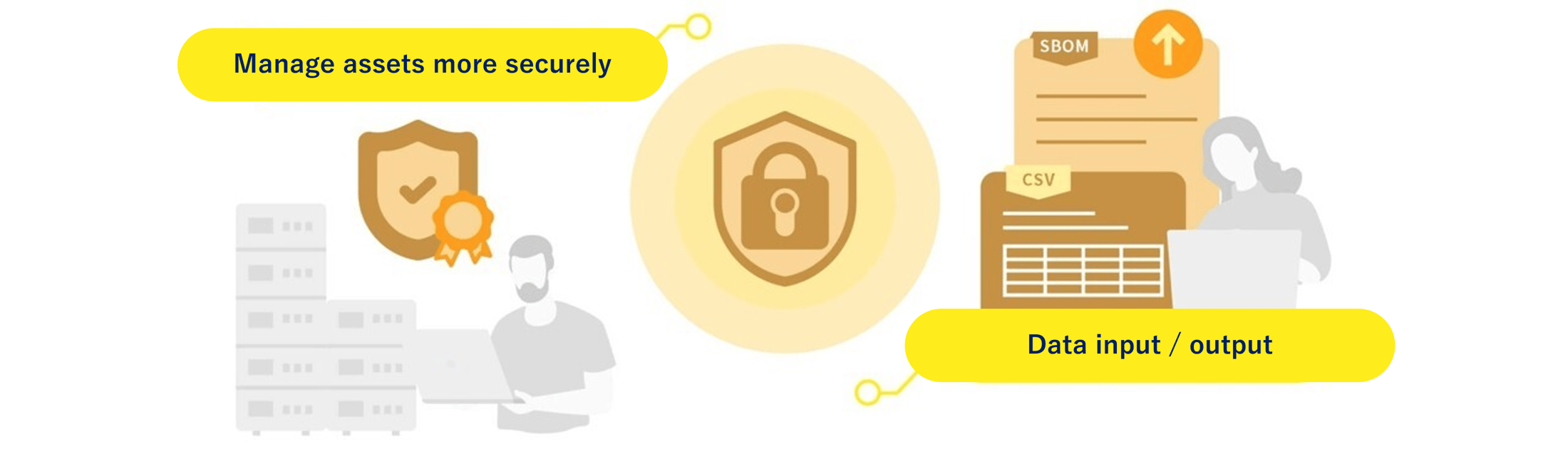
Centralize "asset × vulnerability" tracking and leverage SSVC to automate prioritization.
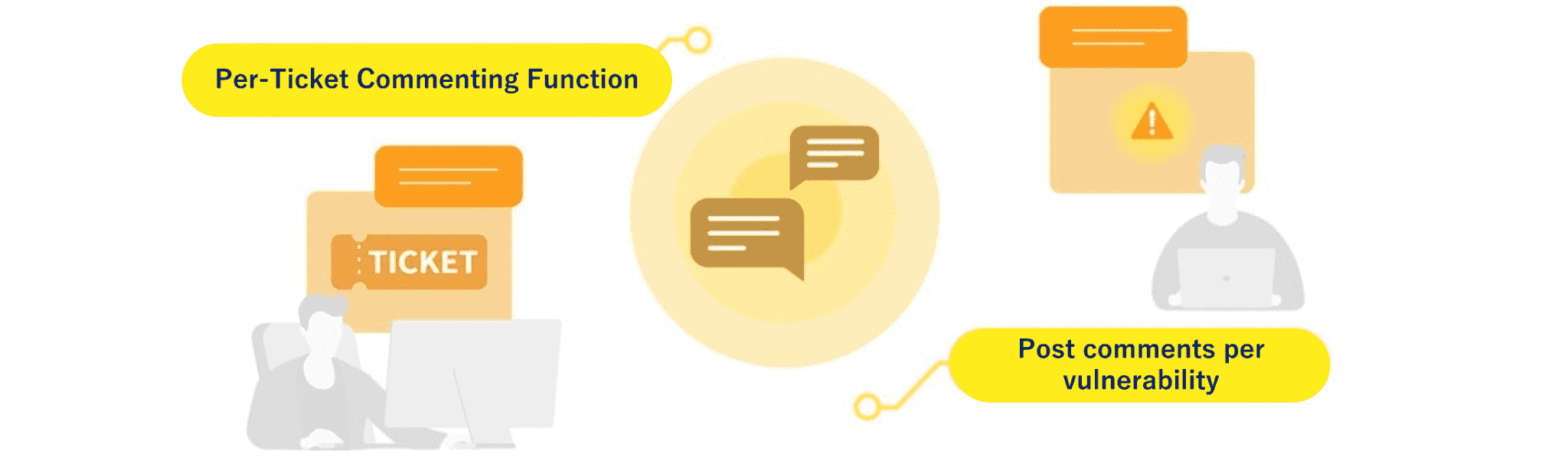
By integrating with external tools, you can automate virtual patching and ticket closure. Easily assess company-wide risk, search software, and update policies in real time.
For hard-to-update environments, IPS-driven virtual patches ensure rapid, flexible protection.
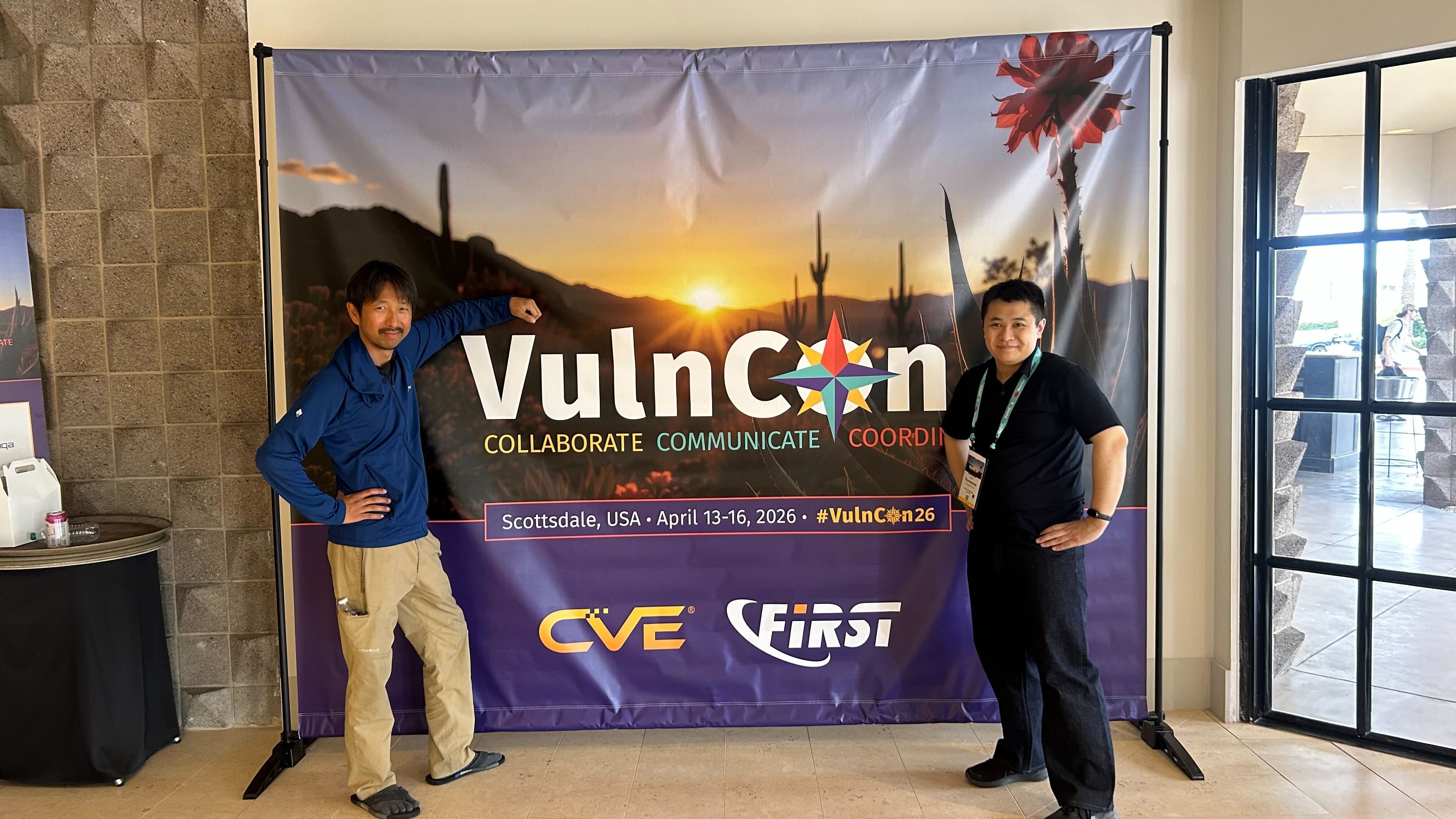
We presented at VulnCon 2026, a security conference held in Scottsdale, Arizona, USA.
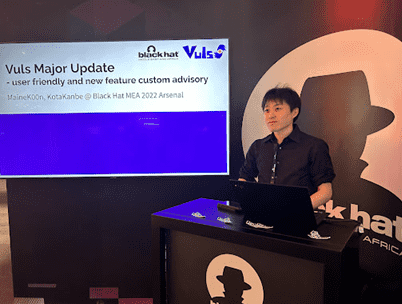
Black Hat Middle East (2022)
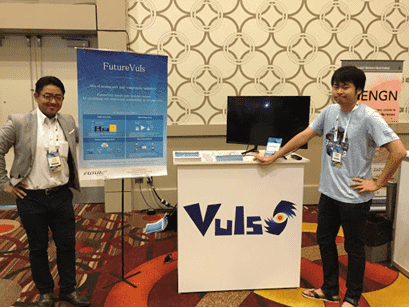
Source Summit North America (2017)
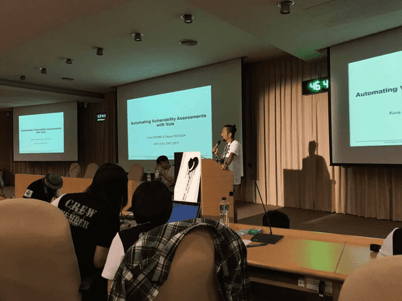
HITCON Pacific (2017)